
What Are Open Pollinated Seeds?
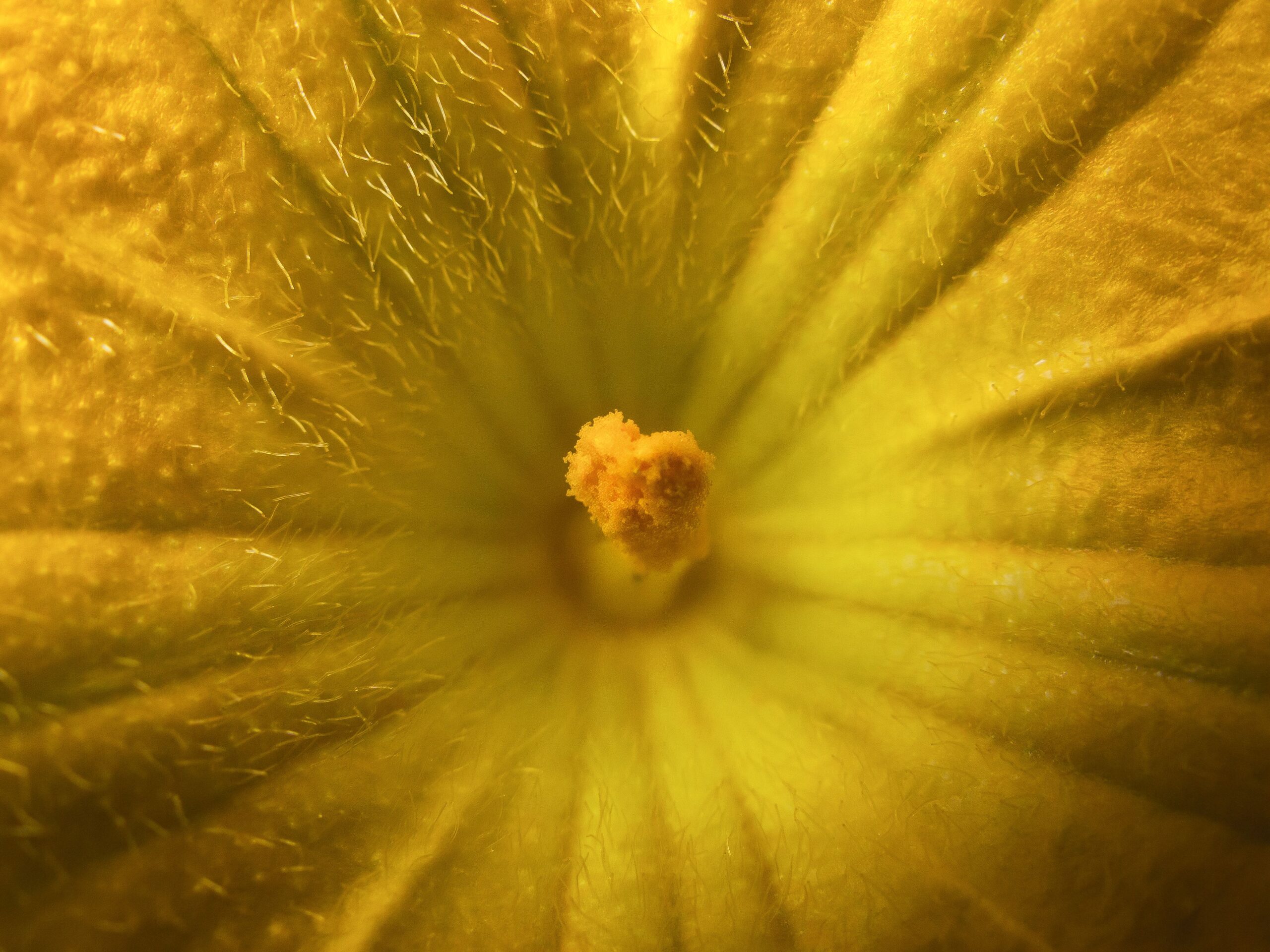
Open pollinated (OP) seeds come from plants that are pollinated naturally by insects, birds, wind, or human hands. Unlike hybrid (F1) seeds, open pollinated varieties produce offspring that closely resemble the parent plant, generation after generation. This genetic stability makes them ideal for seed saving, allowing gardeners to maintain consistent traits in flavor, size, color, and disease resistance.
Heirloom seeds are a subset of open pollinated varieties, typically passed down for 50 years or more. By saving these seeds, you participate in preserving biodiversity and cultivating plants perfectly adapted to your local growing conditions.
Why Save Open Pollinated Seeds?
Saving your own seeds offers numerous advantages for sustainable gardening:
- Cost savings: Eliminate the need to purchase seeds each season.
- Self-reliance: Reduce dependence on commercial seed suppliers.
- Local adaptation: Over time, your saved seeds adapt to your specific climate and soil.
- Biodiversity preservation: Protect rare and regional varieties from disappearing.
- Better quality: Select seeds from your healthiest, most productive plants.
Choosing the Right Plants for Seed Saving
Beginners should start with self-pollinating plants, which require minimal effort to keep varieties pure. These include:
- Tomatoes
- Beans
- Peas
- Lettuce
- Peppers
These plants pollinate themselves before flowers fully open, reducing the risk of cross-pollination. Once you gain confidence, you can progress to cross-pollinating crops like squash, cucumbers, corn, and brassicas, which require isolation techniques or hand-pollination to maintain purity.
Always select seeds from open pollinated or heirloom varieties—never hybrids, as hybrid offspring won’t reliably reproduce their parent’s characteristics.
Selecting the Best Parent Plants
The quality of your saved seeds depends entirely on the parent plants you choose. Practice careful selection by following these principles:
- Choose vigorous, healthy plants free from disease and pests.
- Select for desirable traits such as flavor, productivity, early maturity, or drought tolerance.
- Avoid the temptation to save seeds from the first plant to bolt or flower, as this can encourage undesirable early bolting in future generations.
- Mark your chosen plants early in the season with stakes or ribbon so you don’t accidentally harvest them.
Allow the fruit or seed pods on selected plants to fully mature—often beyond the point you’d normally harvest for eating.
Preventing Cross-Pollination
Cross-pollination occurs when different varieties of the same species exchange pollen, creating unpredictable offspring. To maintain pure seed lines:
- Isolation by distance: Plant only one variety of a particular species, or space different varieties far apart.
- Time isolation: Stagger planting so varieties flower at different times.
- Physical barriers: Use row covers, mesh bags, or cages to block insect access.
- Hand pollination: Manually transfer pollen and protect flowers from outside contamination.
Self-pollinating crops generally require little to no isolation, making them perfect starting points.
Harvesting Seeds: Dry vs. Wet Methods
Seeds fall into two categories based on how they’re processed.
Dry Processing
Used for plants that produce seeds in pods, husks, or dry flower heads—such as beans, peas, lettuce, and herbs. Follow these steps:
- Allow seed pods to dry completely on the plant.
- Harvest when pods turn brown and brittle.
- Remove seeds by hand or thresh by rubbing pods between your fingers.
- Winnow away chaff by gently blowing or using a fine sieve.

Wet Processing
Used for seeds encased in fleshy fruit—such as tomatoes, cucumbers, and squash. The process involves:
- Scoop seeds and pulp into a container.
- Add water and let the mixture ferment for 2–4 days (especially for tomatoes), which removes the gel coating and kills certain seed-borne diseases.
- Stir daily; viable seeds sink while debris floats.
- Pour off floating material, rinse the good seeds, and drain.
Fermenting Tomato Seeds
Tomatoes deserve special mention because fermentation dramatically improves seed quality. Squeeze the seeds and surrounding jelly into a jar, add a little water, and cover loosely. After two to four days, a white mold layer forms on top—this is normal and beneficial. Rinse thoroughly, then spread seeds to dry. Properly fermented tomato seeds germinate more reliably and resist disease.
Drying Seeds Properly
Thorough drying is critical to prevent mold and ensure long-term viability. Follow these guidelines:
- Spread seeds in a single layer on paper plates, screens, or coffee filters.
- Avoid paper towels, which seeds tend to stick to.
- Place in a well-ventilated area out of direct sunlight.
- Stir seeds occasionally for even drying.
- Allow at least one to two weeks for complete drying.
Seeds are ready for storage when they snap rather than bend, and feel completely dry to the touch.
Storing Your Saved Seeds
Proper storage extends seed viability for years. The three enemies of stored seeds are heat, moisture, and light. To protect your investment:
- Use airtight containers such as glass jars, sealed envelopes, or vacuum-sealed bags.
- Add a desiccant like silica gel packets or powdered milk wrapped in tissue to absorb residual moisture.
- Store in a cool, dark place—a refrigerator or freezer is ideal for long-term storage.
- Label everything with the variety name and date harvested.
Most properly stored seeds remain viable for 2–5 years, though this varies by species. Beans and tomatoes can last 4 years or more, while onions and parsnips lose viability quickly.
Testing Seed Viability
Before planting season, test your saved seeds to gauge germination rates:
- Place 10 seeds on a damp paper towel.
- Fold and seal in a plastic bag.
- Keep in a warm location.
- Check after 7–10 days and count how many sprouted.
If 8 of 10 seeds germinate, you have an 80% germination rate. Lower rates simply mean you should sow more seeds to compensate.
Organizing a Seed Saving System
Develop a consistent system to track your seeds across seasons. Keep a garden journal noting which varieties performed well, harvest dates, and germination results. Many gardeners create a simple seed library using labeled envelopes stored in a recipe box or photo organizer. Documenting your process helps you refine your selections and improve your harvest year after year.
Common Seed Saving Mistakes to Avoid
Even beginners can achieve success by sidestepping these frequent errors:
- Saving hybrid seeds, which produce inconsistent results.
- Harvesting seeds too early before full maturity.
- Inadequate drying, leading to mold and rot during storage.
- Failing to label, resulting in confusion later.
- Ignoring cross-pollination between similar varieties.
- Saving from weak or diseased plants, passing on poor traits.
Building Toward Seed Sovereignty
As you master saving seeds from easy self-pollinating crops, gradually expand your skills to more challenging species. Connect with local seed swaps, community gardens, and seed-saving organizations to exchange varieties and knowledge. Sharing seeds strengthens your local food network and ensures rare varieties survive for future generations.
Seed saving transforms your garden into a self-sustaining ecosystem, reducing waste and reinforcing your connection to the natural cycles of growth. With each season, your seeds become more resilient and uniquely suited to your land, rewarding your patience with abundant, dependable harvests that cost nothing but your care and attention.

