
Why Refrigerator Storage Extends Seed Life
Seeds are living organisms in a dormant state, and their viability declines over time due to moisture, heat, and oxygen exposure. Storing seeds in the refrigerator slows down their metabolic activity, effectively pausing the aging process. The cool, stable environment of a fridge—typically between 35°F and 40°F (1.6°C to 4.4°C)—creates ideal conditions for preserving germination rates over many years.
A widely accepted rule among seed savers is that for every 10°F decrease in storage temperature, seed lifespan roughly doubles. Combined with low humidity, refrigeration can keep many vegetable, flower, and herb seeds viable far beyond their natural shelf life, saving gardeners money and ensuring reliable harvests season after season.
Preparing Seeds Before Refrigeration
Proper preparation is the most critical step in successful seed storage. Moisture is the enemy of seed longevity, so seeds must be completely dry before they ever enter the fridge.
Drying Your Seeds Thoroughly
Spread seeds in a single layer on a paper towel, plate, or screen in a well-ventilated area away from direct sunlight. Allow them to air-dry for one to two weeks. Properly dried seeds should snap rather than bend, and larger seeds like beans should shatter when struck.
For added assurance, you can use silica gel packets during the drying process. The target moisture content for most seeds is around 8% or lower. Seeds stored with excess moisture are prone to mold, premature germination, and rot once chilled.
Cleaning and Sorting
Remove any plant debris, chaff, or damaged seeds before storage. Pulp and organic material can harbor bacteria and fungi that compromise the entire batch. Only store healthy, fully mature seeds for the best results.
Choosing the Right Storage Containers
The container you select plays a major role in protecting seeds from moisture and humidity fluctuations inside the refrigerator.
Airtight Containers Are Essential
Use containers with tight-sealing lids to keep out humidity. Excellent options include:
- Glass jars with rubber gaskets (such as mason jars)
- Airtight plastic containers with locking lids
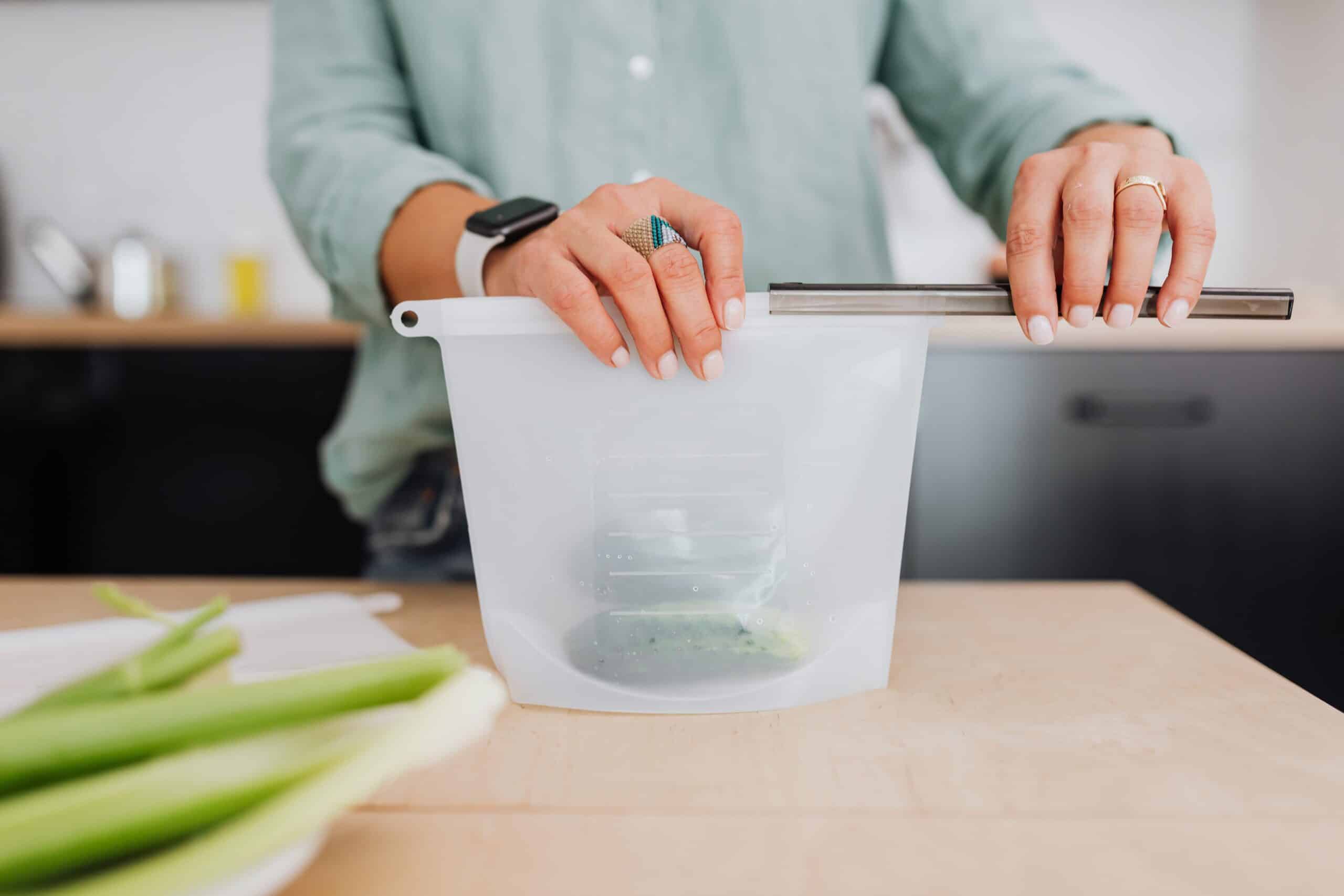
- Vacuum-sealed bags for long-term storage
- Mylar bags for light protection
Add a Desiccant
Place a silica gel packet or a tablespoon of powdered milk wrapped in tissue inside each container. These desiccants absorb residual moisture, keeping the internal environment dry. Replace or recharge silica packets periodically to maintain effectiveness.
Organize with Small Envelopes
Within your main airtight container, store individual seed varieties in labeled paper envelopes or small zip-top bags. This keeps your collection organized and prevents cross-contamination between varieties.
Labeling for Long-Term Success
Always label seeds with the plant variety and the date of storage. Memory fades quickly, and unlabeled seeds become a guessing game. Include:
- Plant name and variety
- Date harvested or purchased
- Expected viability period
- Any special germination notes
Use a permanent marker and waterproof labels, as condensation can smear regular ink over time.

Proper Placement Inside the Fridge
Where you place your seeds matters. Position your sealed container in the main body of the refrigerator rather than the door, where temperature fluctuates each time it opens. Avoid storing seeds near the freezer compartment if temperatures drop below freezing unexpectedly.
Keep seeds away from fresh produce, which releases moisture and ethylene gas. A dedicated shelf or drawer reserved for seed storage prevents accidental contamination and keeps your collection isolated from food odors.
Avoiding Temperature Fluctuations
Consistency is key to seed preservation. Repeated cycles of warming and cooling cause condensation inside containers, introducing damaging moisture. To minimize fluctuations:
- Avoid frequently opening the seed container
- Remove only what you need at one time
- Allow sealed containers to reach room temperature before opening
This last point is crucial. When you remove cold seeds and open them immediately, warm air condenses on the cool seeds, creating moisture. Let containers sit unopened for 12 to 24 hours after removal so they warm gradually and stay dry.
How Long Seeds Last in the Fridge
Refrigerated storage dramatically extends viability compared to room-temperature storage. Approximate lifespans include:
- Onions, leeks, parsley: 1–2 years
- Corn, peppers, beans: 2–4 years
- Carrots, peas, beets: 3–4 years
- Tomatoes, beans, peas: 4–5 years
- Cucumbers, lettuce, radishes: 5–6 years
- Brassicas (cabbage, broccoli): 5–6 years
These timeframes are conservative estimates. Many gardeners report successful germination well beyond these ranges when seeds are stored under ideal refrigerated conditions.
Testing Seed Viability
Before planting older seeds, run a simple germination test to avoid wasting time on a non-viable batch. Place ten seeds between damp paper towels, seal them in a plastic bag, and keep them in a warm location.
Check after the appropriate germination period for that species, usually 7 to 14 days. Count how many seeds sprouted. If seven out of ten germinate, you have a 70% germination rate—plant accordingly by sowing extra seeds to compensate for the loss.
Common Mistakes to Avoid
Even experienced gardeners make errors that shorten seed life. Watch out for these pitfalls:
- Storing damp seeds: The leading cause of seed failure in cold storage.
- Using non-airtight containers: Humidity seeps in and ruins seeds quickly.
- Forgetting desiccants: Without moisture control, refrigeration loses much of its benefit.
- Opening cold containers immediately: Condensation damages seeds instantly.
- Skipping labels: Disorganization leads to wasted, expired seeds.
Freezer Storage vs. Refrigerator Storage
For seeds you won’t use for many years, the freezer offers even longer preservation. However, freezing requires seeds to be extremely dry, as any moisture can form ice crystals that rupture seed cells. The refrigerator is the safer, more accessible choice for most home gardeners, offering a balance of longevity and convenience without the higher risk of freezer damage.
If you do freeze seeds, follow the same airtight, desiccant-protected approach, and always allow containers to thaw completely before opening to prevent condensation.
Maintaining Your Seed Collection Year-Round
Treat your seed storage as an ongoing project. At the start of each growing season, review your inventory, note which varieties are aging, and prioritize using older seeds first. Refresh desiccant packets annually and check containers for any signs of moisture or pest intrusion.
Keeping a simple spreadsheet or notebook documenting your collection helps you track germination tests, planting dates, and success rates. This record-keeping transforms casual seed saving into a reliable, sustainable gardening practice that pays dividends year after year.
By following these proven storage methods—drying thoroughly, sealing airtight, controlling moisture, and maintaining consistent cold temperatures—you can preserve seed viability for years, build a resilient seed bank, and enjoy healthy, productive gardens every season.

