
Why Proper Seed Storage Matters
Seeds are living organisms in a dormant state, and how you store them directly determines whether they germinate next season or rot in their packets. Properly stored seeds can remain viable for years—sometimes decades—saving you money, preserving rare heirloom varieties, and ensuring food security for your garden. The three enemies of seed longevity are moisture, heat, and light. A well-designed seed storage system controls all three, giving your seeds the stable, dormant environment they need to survive until planting day.
Understanding Seed Viability Basics
Before building your system, it helps to understand how seeds lose viability. Every seed contains stored energy and genetic material that slowly degrades over time. Higher temperatures and humidity accelerate this breakdown, depleting the seed’s energy reserves and damaging cellular structures.
A useful rule of thumb from seed scientists: the sum of temperature (in degrees Fahrenheit) and relative humidity (as a percentage) should be less than 100 for optimal storage. For example, storing seeds at 40°F with 50% humidity (total of 90) creates excellent conditions for long-term survival.
Different seeds also have different natural lifespans. Onions, parsnips, and corn are notoriously short-lived (1–2 years), while tomatoes, cucumbers, and many brassicas can last 5 years or more under good conditions.
Step 1: Gather and Prepare Your Seeds
Start by collecting all your seeds in one place. If you’re saving seeds from your own garden, ensure they are fully mature and completely dry before storage. Moisture trapped inside seeds is the leading cause of mold and premature death.
For homegrown seeds, spread them on a paper towel, screen, or plate in a single layer and allow them to air-dry for one to two weeks in a well-ventilated room away from direct sunlight. Seeds should be dry enough that they snap rather than bend.
Discard any seeds that show signs of damage, discoloration, or insect activity. Removing chaff, plant debris, and damaged seeds prevents mold and pests from spreading throughout your collection.
Step 2: Choose the Right Storage Containers
Container choice plays a critical role in maintaining seed viability. Your goal is an airtight, moisture-proof environment.
Best options include:
- Glass jars with rubber-sealed lids (such as mason jars) — excellent moisture barriers and reusable.
- Airtight plastic containers with secure-fitting lids.
- Mylar bags — ideal for long-term storage and protection from light.
- Vacuum-sealed bags — remove oxygen for extended longevity.
For smaller seed quantities, use paper envelopes or small coin envelopes inside a larger airtight container. Paper allows seeds to breathe slightly while the outer container controls overall humidity. Avoid storing seeds directly in plastic bags long-term, as condensation can build up inside.
Step 3: Control Humidity with Desiccants
Even in sealed containers, residual moisture can shorten seed life. Adding a desiccant absorbs excess humidity and keeps the interior dry.
Effective desiccant options:
- Silica gel packets — reusable after drying in a low oven.
- Powdered milk — wrap two tablespoons in a tissue or cheesecloth; replace every six months.
- Rice — a budget-friendly alternative that absorbs moisture.
Place one desiccant packet inside each storage container. For larger collections, use a humidity indicator card to monitor internal conditions. Aim to keep relative humidity below 50%, with 20–30% being ideal for long-term storage.
Step 4: Label and Organize Everything
A storage system is only as good as its organization. Label every envelope and container with essential information:
- Plant name and variety
- Date of collection or purchase
- Source (homegrown, purchased, traded)
- Expected viability period
Use waterproof markers or printed labels to prevent smudging. Organize seeds in a way that makes sense for you—by plant family, planting season, or alphabetically. Many gardeners use index card boxes, photo organizers, or dedicated seed storage boxes with dividers.
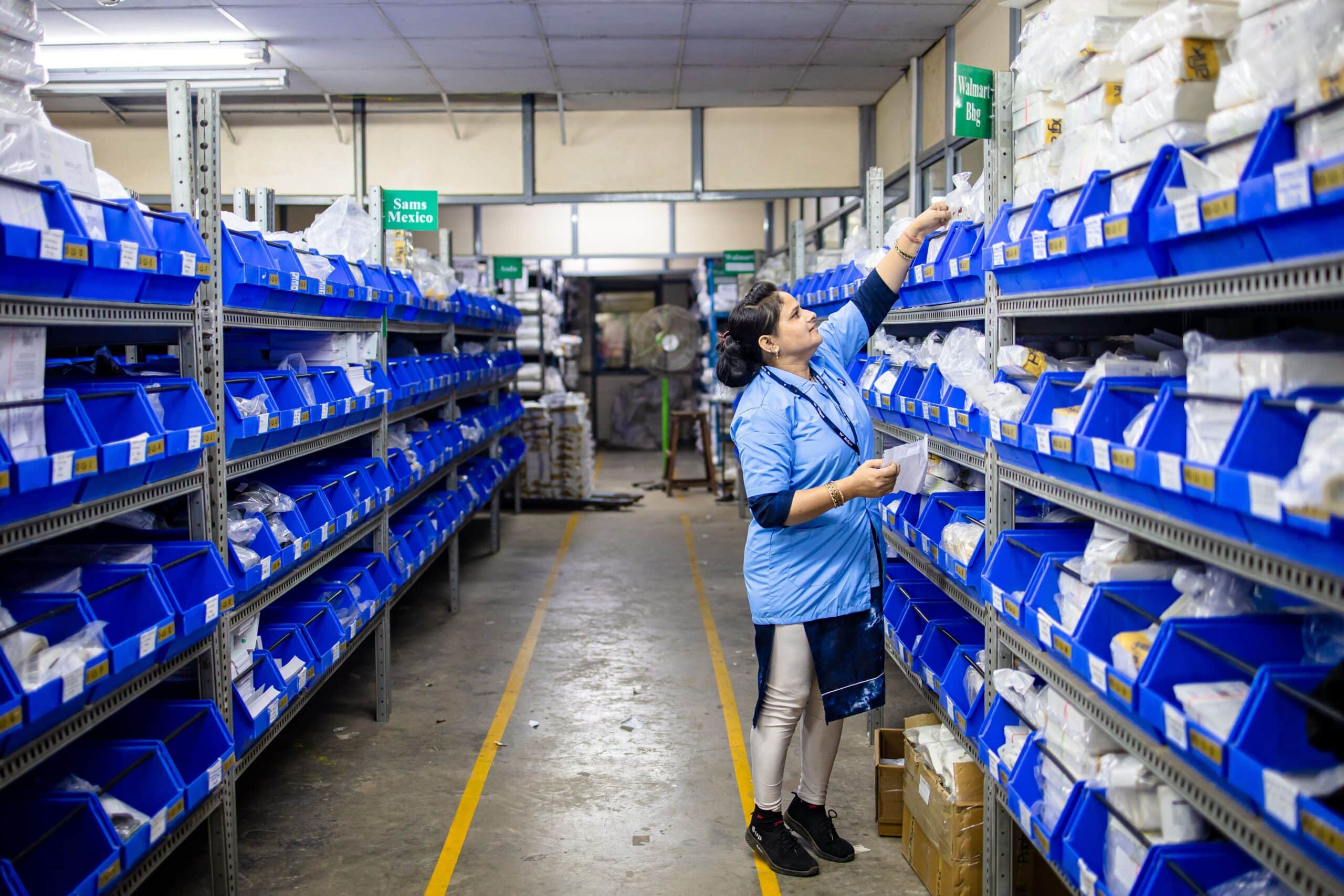
Maintaining a simple inventory list or spreadsheet helps you track what you have, monitor expiration dates, and plan future plantings without opening every container.
Step 5: Select the Ideal Storage Location
Temperature stability is just as important as cold itself. Fluctuating conditions damage seeds faster than consistently cool temperatures.
Best storage locations ranked by longevity:
- Freezer — ideal for long-term storage (years to decades), but seeds must be completely dry to prevent ice crystal damage.
- Refrigerator — excellent for medium-term storage; keep seeds in airtight containers to block humidity.
- Cool basement or closet — suitable for short-term storage of seeds you’ll plant within a year or two.
Avoid garages, attics, sheds, and any space subject to temperature swings or direct sunlight. If using a freezer or fridge, allow containers to reach room temperature before opening them to prevent condensation from forming on cold seeds.
Step 6: Practice Smart Seed Rotation
Treat your seed collection like a pantry: use the oldest seeds first. Each year, review your inventory and prioritize planting seeds approaching the end of their viability window.
Run periodic germination tests on older seeds to assess their viability. Place ten seeds on a damp paper towel, fold it, and keep it in a warm spot. After 7–10 days, count how many sprouted. If seven germinate, you have roughly 70% viability—still usable, just sow more thickly to compensate.
Step 7: Maintain and Monitor Your System
A seed storage system requires occasional upkeep. Schedule a seasonal check to:
- Inspect containers for moisture or mold
- Replace or recharge desiccants
- Update your inventory and remove expired seeds
- Add newly harvested or purchased seeds
Keeping a consistent routine ensures problems are caught early, before they spread to your entire collection.
Common Seed Storage Mistakes to Avoid
Even experienced gardeners make errors that compromise viability. Watch out for these pitfalls:
- Storing damp seeds — the single most damaging mistake.
- Using non-airtight containers — allows humidity fluctuations.
- Exposing seeds to light — degrades seed quality over time.
- Frequent temperature changes — repeatedly removing seeds from the freezer.
- Forgetting to label — leads to confusion and waste.
- Ignoring expiration windows — wastes garden space on dead seeds.
Estimated Seed Lifespans Under Proper Storage
Knowing how long different seeds last helps you plan your rotation:
- 1–2 years: onion, leek, parsnip, corn, spinach
- 3–4 years: beans, peas, carrots, peppers, beets
- 4–5 years: tomatoes, cucumbers, squash, lettuce, radish
- 5+ years: brassicas (broccoli, cabbage, kale), melons
These figures assume cool, dry, dark conditions. Suboptimal storage can cut these lifespans dramatically.
Building Your System on a Budget
You don’t need expensive equipment to store seeds well. Repurpose glass jars from the kitchen, save silica packets from product packaging, and use recycled envelopes for labeling. A simple shoebox in the back of a refrigerator, filled with labeled jars and a few desiccant packets, can rival commercial seed banks in effectiveness.
For dedicated gardeners, investing in a small dedicated mini-fridge or a vacuum sealer offers convenience and superior results for larger collections.
By following these steps—drying thoroughly, sealing tightly, controlling humidity, labeling clearly, storing cool, and rotating wisely—you’ll build a reliable seed storage system that protects your investment and keeps your garden thriving season after season.